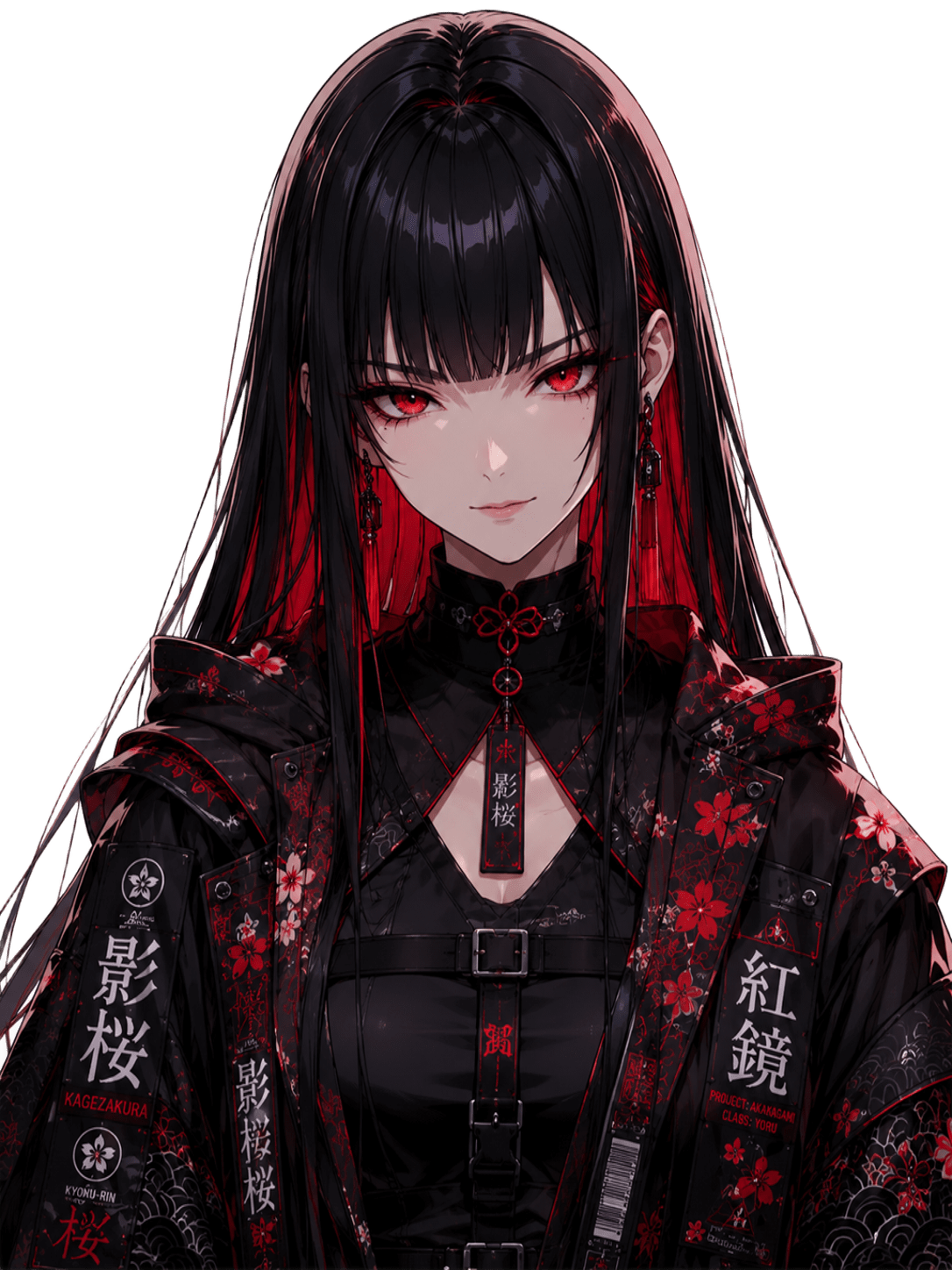
Cyberpunk Edgerunners arrived on Netflix in September 2022 and did something nobody expected: it made Cyberpunk 2077 relevant again. The game had launched disastrously in 2020; the anime returned millions of players to Night City. It also made the song “I Really Want to Stay at Your House” a global phenomenon. And underneath all of it was Studio Trigger’s visual genius and genuine Japanese emotional vocabulary.
I’m a native Japanese speaker, and Edgerunners’ Japanese is the vocabulary of dreams and their destruction. 夢 (dream), 都市 (city), 改造 (modification), 暴走 (going berserk), 消える (to disappear) — these words trace David Martinez’s journey from a kid with a dream to someone who gives everything for someone else’s.
This guide covers 18 essential Edgerunners vocabulary words — the language of neon cities, body modification, and love that costs everything.
Why Cyberpunk Edgerunners Works for Japanese Learners
Edgerunners uses contemporary Japanese slang and street speech alongside technical vocabulary for cybernetics and corporate structures. The show has a distinctly youth-culture register — the characters speak like young people in a high-stress environment.
The show is also compact (10 episodes) and visually intense — making it excellent for binge-watching with Japanese subtitles, which is an effective immersive learning method.
1. 夢 (yume) — Dream
Reading: ゆめ (yu-me) Meaning: Dream — aspiration and sleeping dreams
In the show: David’s 夢 is to become a solo — an independent merc. Lucy’s 夢 is to reach the moon. The show is about whose 夢 gets sacrificed for whose.
Everyday use: As covered throughout multiple guides — 夢 is among the most emotionally resonant words in Japanese.
2. 月 (tsuki) — Moon
Reading: つき (tsu-ki) Meaning: The moon — Lucy’s dream destination
In the show: Lucy dreams of going to the moon — 月に行く (tsuki ni iku). The moon represents escape from Night City, from violence, from everything that’s destroying them.
Everyday use: As covered in Sailor Moon — 月 is fundamental vocabulary with deep cultural resonance.
3. 都市 (toshi) — City
Reading: とし (to-shi) Meaning: City, urban area — more formal than 街 (machi)
In the show: Night City (ナイトシティ naito shiti) is the oppressive urban environment that shapes every character. 都市 in Edgerunners feels like a living antagonist.
Everyday use:
- 都市開発 (toshi kaihatsu) = urban development
- 都市伝説 (toshi densetsu) = urban legend
- 大都市 (daitoshi) = metropolitan city
4. 改造 (kaizou) — Modification / Upgrade
Reading: かいぞう (kai-zō) Meaning: Modification, rebuilding, upgrading
Kanji: 改 (kai) = to change, reform + 造 (zō) = to build, create
In the show: 身体改造 (shintai kaizō) = body modification — the cyberpunk world’s defining technology. Characters upgrade their bodies with chrome and circuits.
Everyday use:
- 改造車 (kaizō sha) = modified car
- 住宅改造 (jūtaku kaizō) = home renovation
- 改造人間 (kaizō ningen) = a modified/reconstructed human (also refers to Kamen Rider!)
5. 限界 (genkai) — Limit
Reading: げんかい (gen-kai) Meaning: The absolute limit, the breaking point
In the show: Cyber psychosis occurs when a person exceeds their 限界 for body modification — when the chrome overwhelms the human.
Everyday use: As covered in DBZ and Gurren Lagann.
6. 暴走 (bōsō) — Going Berserk / Rampage / Running Wild
Reading: ぼうそう (bō-sō) Meaning: Uncontrolled rampage, going out of control
Kanji: 暴 (bō) = violent, sudden + 走 (sō) = to run
In the show: サイバーサイコシス (saibā saikoshisu) = Cyber Psychosis — when a person 暴走s and loses their humanity to their modifications.
Everyday use:
- 暴走族 (bōsōzoku) = motorcycle gang (literally “running wild group”)
- 暴走する (bōsō suru) = to go berserk, to run out of control
- 感情が暴走する (kanjō ga bōsō suru) = emotions going out of control
7. 記憶 (kioku) — Memory
Reading: きおく (ki-o-ku) Meaning: Memory, recollections
In the show: Maine’s final act involves 記憶 — leaving something behind even as he loses himself. The show is full of 記憶 that outlast the people who made them.
Everyday use: As covered in Steins;Gate and Eva.
8. 自由 (jiyū) — Freedom
Reading: じゆう (ji-yū) Meaning: Freedom, liberty
In the show: What David, Lucy, and the whole crew are fighting for — the impossible 自由 from corporate control.
Everyday use: As covered throughout multiple guides.
9. 愛 (ai) — Love
Reading: あい (a-i) Meaning: Love — deep affection
In the show: The David/Lucy relationship is 愛 — and 愛 in a cyberpunk world means sacrifice.
Everyday use: As covered in Sailor Moon.
10. 生き残る (ikinokorou) — To Survive
Reading: いきのこる (i-ki-no-ko-ru) Meaning: To survive, to live through something
Kanji: 生き (iki) = living + 残る (nokoru) = to remain
In the show: Survival is the baseline goal in Night City — not flourishing, just 生き残ること (ikinokorou koto) = the act of surviving.
Everyday use:
- 生き残り (ikiokori) = a survivor
- 自然界で生き残る (shizengai de ikinokorou) = to survive in the natural world
- 競争社会での生き残り (kyōsō shakai de no ikinokorou) = surviving in a competitive society
11. 野望 (yabō) — Ambition
Reading: やぼう (ya-bō) Meaning: Grand, potentially dangerous ambition
In the show: Night City is built for people with 野望 — and it destroys most of them.
Everyday use: As covered in Code Geass.
12. 傷つく (kizutsuku) — To Be Hurt / Wounded
Reading: きずつく (ki-zu-tsu-ku) Meaning: To be hurt, to be wounded — physically or emotionally
Kanji: 傷 (kizu) = wound + つく (tsuku) = to receive, to get (inchoative verb form)
In the show: Characters get 傷つく constantly — it’s a world built on damage.
Everyday use:
- 心が傷つく (kokoro ga kizutsuku) = to be emotionally hurt
- 傷つけたくない (kizutsuketakunai) = I don’t want to hurt [someone]
- 傷つきやすい (kizutsukiyasui) = easily hurt, sensitive
13. 誓い (chikai) — Promise / Oath
Reading: ちかい (chi-ka-i) Meaning: A solemn promise or vow
In the show: David’s implicit promise to Lucy — to get her to the moon — defines his final choices.
Everyday use: As covered in multiple guides.
14. 特別 (tokubetsu) — Special
Reading: とくべつ (to-ku-be-tsu) Meaning: Special, exceptional, out of the ordinary
In the show: 「俺は特別だからな」(ore wa tokubetsu dakara na) = “Because I’m special” / “Built different” — David’s defining self-description.
Everyday use:
- 特別な人 (tokubetsu na hito) = a special person
- 特別扱い (tokubetsu atsukai) = special treatment
- 特別な日 (tokubetsu na hi) = a special day
15. 消える (kieru) — To Disappear / Vanish
Reading: きえる (ki-e-ru) Meaning: To disappear, to go out, to vanish
In the show: Characters 消える throughout the series — some violently, some quietly. The show’s emotional arc is about things that disappear but are not forgotten.
Everyday use: As covered in Cowboy Bebop.
16. 涙 (namida) — Tears
Reading: なみだ (na-mi-da) Meaning: Tears — physical manifestation of emotion
In the show: Edgerunners earned tears from viewers who had never wept at a game franchise before. The show weaponizes 涙 with devastating effect.
Everyday use: As covered in Sailor Moon.
17. 仲間 (nakama) — Companions
Reading: なかま (na-ka-ma) Meaning: Companions who share your struggle
In the show: The crew — Maine, Dorio, Kiwi, Pilar — are 仲間 in the truest sense: people who would die for each other, and do.
Everyday use: As covered throughout multiple guides.
18. 遺す (nokosu) — To Leave Behind / Bequeath
Reading: のこす (no-ko-su) Meaning: To leave something behind — as a legacy, a gift, an inheritance
Kanji: 遺 (i) = to leave behind (as in a will/legacy) + す = causative suffix
In the show: What characters 遺す matters more than how they die. The show is ultimately about what survives.
Everyday use:
- 遺産 (isan) = inheritance, legacy
- 遺書 (isho) = a will, a final letter
- 遺す言葉 (nokosu kotoba) = words left behind, a final message
Famous Line: 「俺は特別だからな」
“Because I’m special.” / “Built different.”
David says this in various contexts — sometimes ironically, sometimes earnestly. The line became “Built different” in Western fandom, connecting Japanese anime dialogue to American internet slang.
The linguistic transfer: 特別 (tokubetsu) = special, exceptional. The phrase’s simplicity is its power — confident without being grandiose. When paired with “built different” culture, it captured something universal about wanting to be seen as exceptional.
How to Memorize Edgerunners Vocabulary
The body modification cluster: 改造, 限界, 暴走 — these three words trace the cyberpunk body horror arc. Learn them together as the vocabulary of what happens when technology overwhelms humanity.
The dream and loss cluster: 夢, 消える, 遺す, 涙 — the vocabulary of Edgerunners’ emotional arc. What we dream, what disappears, what we leave behind.
FAQ
How did Cyberpunk Edgerunners revive Cyberpunk 2077?
Cyberpunk 2077 launched in December 2020 to widespread criticism for bugs, incomplete features, and a disastrous PS4/Xbox One performance. By 2022, the game had received significant updates. The Netflix anime (September 2022) then introduced the world and characters to a massive new audience — and drove hundreds of thousands of new and returning players to the game. Steam concurrent players spiked to the highest since launch. The anime demonstrated that anime can function as marketing for games in ways live-action adaptation often cannot.
What is 暴走 (bōsō) in the context of Cyberpunk?
サイバーサイコシス (Cyber Psychosis) is called 暴走 in colloquial usage — when someone who has received too many cybernetic modifications loses their humanity and goes into an uncontrolled violent rampage. The word 暴走 (*bōsō*) literally means "violent/uncontrolled running" and is used in everyday Japanese for motorcycles speeding recklessly (暴走族 = bōsōzoku = motorcycle gang) as well as metaphorical going-out-of-control situations.
Why did "I Really Want to Stay at Your House" become so popular?
The song by Rosa Walton and Hallie Coggins plays during one of the most emotionally devastating scenes in the finale. Japanese and Western viewers responded simultaneously to the same emotional peak — the song became the vehicle for grief that transcended language barriers. On TikTok and Twitter, clips of the scene with the song reached hundreds of millions of views. It's a case study in how anime music becomes inseparable from emotional memory.
Is Cyberpunk Edgerunners good for Japanese learners?
Yes, especially for intermediate learners interested in contemporary youth vocabulary. The show uses modern Tokyo slang and street speech that differs from polite or formal Japanese. The 10-episode format makes it manageable for intensive study sessions. Watch it once for the story, then once with Japanese subtitles. The dialogue is punchy and memorable, making vocabulary retention easier.
Final Thoughts
Cyberpunk Edgerunners’ vocabulary is the vocabulary of the neon-lit dream that costs everything — 夢, 改造, 限界, 消える, 遺す. In Night City, the question isn’t whether you’ll be destroyed. It’s what you leave behind.
David Martinez left Lucy the moon. What will your Japanese study leave you?